
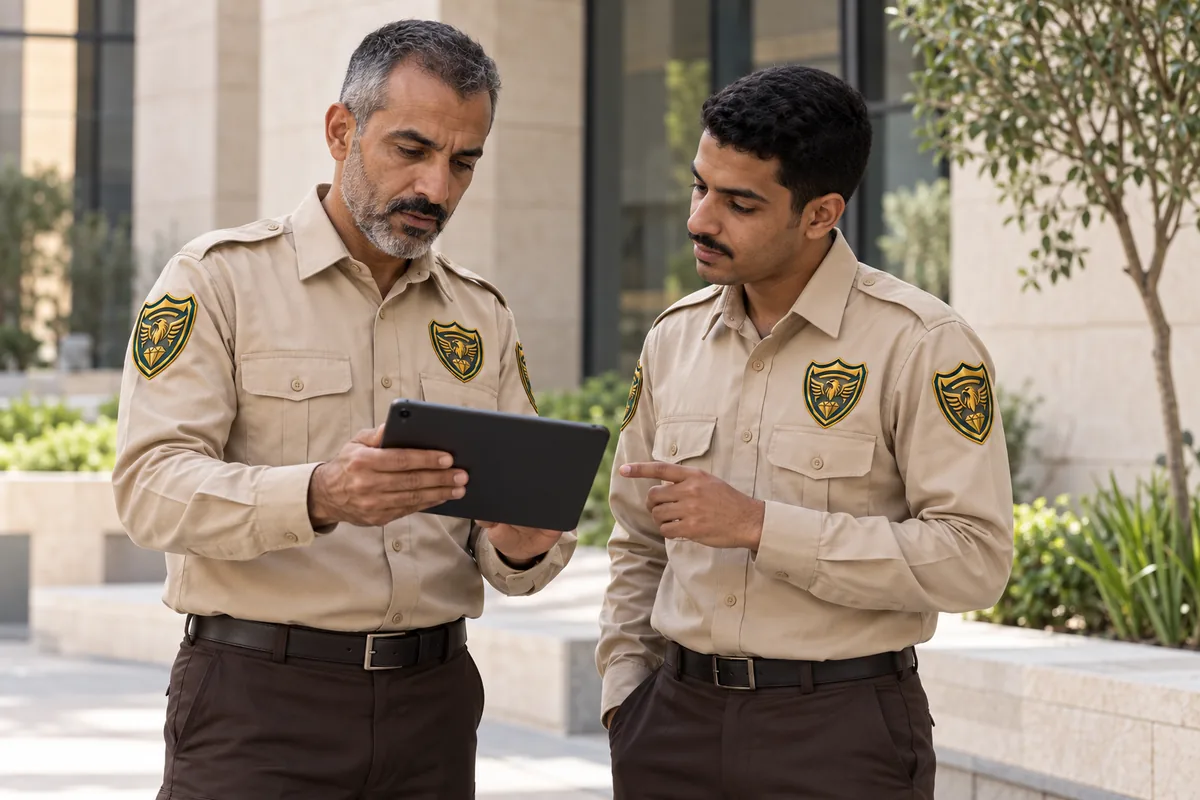
Build a shared understanding
The supervisor and team need a consistent understanding of duties, contacts and current instructions. Review changes since the previous period and ensure relevant colleagues receive them. Where directions conflict, use the agreed route for clarification. People cannot fairly be expected to follow an instruction they have not received or understood.
Keep handovers concise and useful
A useful handover identifies open observations, action taken and the person following up. Depending on site procedures, this may include a temporary operational change or an approved supplier visit. Routine events do not all need lengthy explanations, but relevant information must remain visible. Do not use unapproved groups to circulate personal details or images merely for convenience.
Follow the action, not just the report
Recording an issue is not the same as resolving it. Agree how new, ongoing and closed items are distinguished and who confirms closure. Refer matters outside the guarding team’s remit to the facility contact. This helps identify whether the underlying need concerns instructions, coordination or a change to the scope of service.
Describe relevant experience accurately
Applicants interested in security supervision can explain experience in task allocation, reporting, communication and handovers. Use general professional examples that respect previous workplace confidentiality. Describe the actual scope of responsibility and relevant training without exaggeration. State your city and area of interest, with site requirements discussed if a suitable need arises.
A practical starting checklist
- Clarify instructions and their approval route.
- Identify open items and follow-up owners.
- Distinguish recording from resolving an issue.
- Use non-confidential examples of supervisory experience.
Useful supervision makes work clearer for personnel and facility management. Discuss it in a quotation request, or register career interest if the role matches your background.
Explore our services